Samsung Gas Range Burner Produces a Popping Sound — Possible Burner Cap Misalignment or Clogged Ports
A Samsung gas range should produce a relatively steady flame when a burner is operating correctly. If you hear popping, clicking, or small explosive sounds while cooking, the burner may not be igniting evenly. One common explanation is a misaligned burner cap, but clogged burner ports, moisture, an uneven flame, or a problem with the ignition system can also contribute to the noise.
Although an occasional sound during ignition may not indicate a serious malfunction, repeated popping during cooking deserves attention. Identifying the cause early can help prevent unreliable burner operation and determine whether professional repair is necessary.
Why Does a Samsung Gas Range Burner Make a Popping Sound?
A popping sound usually occurs when gas does not ignite consistently across the burner ports or when the flame behaves irregularly. Gas burners rely on a controlled mixture of fuel and air, and each component must be positioned correctly for stable combustion.
If the burner cap is slightly off-center, the gas may escape unevenly around the burner head. Some areas may ignite later than others, producing a popping noise. Food debris, grease, or cleaning residue can also obstruct the small openings where gas exits.
The sound may occur immediately after turning the control knob, several seconds after ignition, or intermittently while the burner is running. When the timing and accompanying symptoms are observed carefully, they can help a technician narrow down the possible cause.
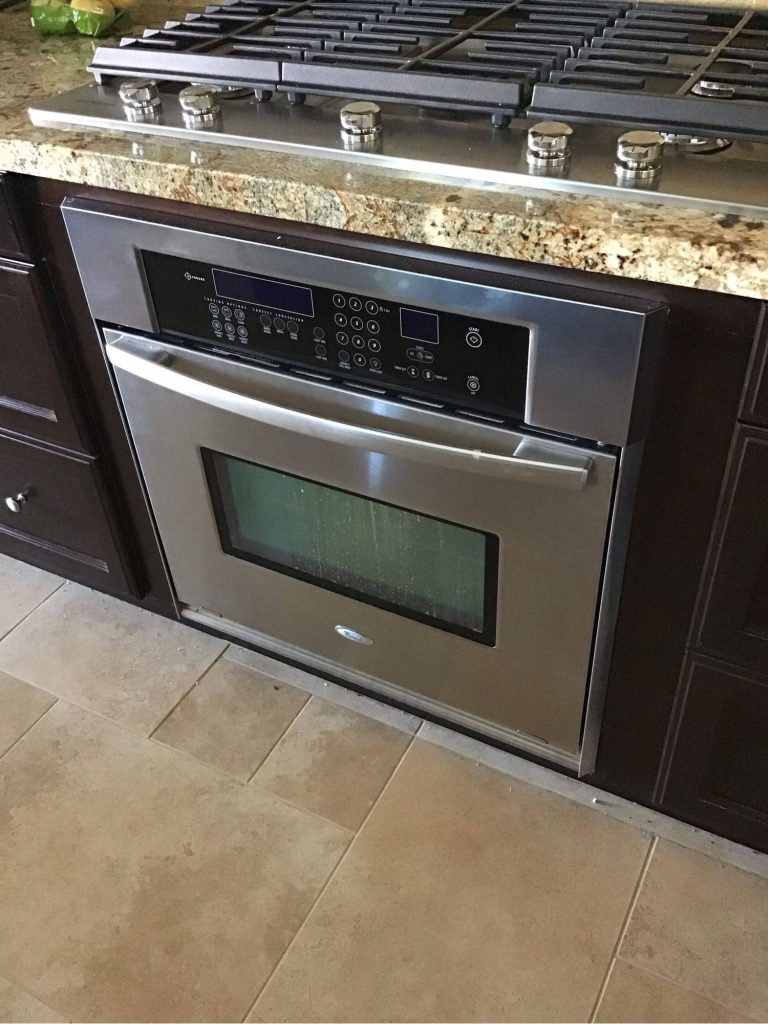
Burner Cap Misalignment
A burner cap that is not seated correctly is one of the first things to check when a Samsung gas range begins making unusual sounds.
The cap sits on top of the burner head and helps distribute gas evenly around the burner. If it shifts out of position, the flame may become uneven, producing yellow tips, flickering, or localized popping.
Misalignment can happen after routine cleaning, wiping spills, or removing burner components for maintenance. Even a small amount of residue underneath the cap can prevent it from sitting flat.
To address this possibility, turn off the burner and allow all components to cool completely. If the owner’s manual permits removal of the cap, lift it carefully, inspect the contact surfaces, and remove loose debris. Make sure every component is completely dry before reinstalling it in the correct position.
Never attempt to reposition burner parts while the range is operating. If the cap appears damaged, warped, or unable to sit securely, it may need replacement. Persistent popping after correct positioning suggests another issue that requires further diagnosis.
Clogged Burner Ports
Burner ports are small openings around the burner head through which gas flows.