LG Dryer Makes a Grinding Noise — Possible Drum Bearing or Blower Wheel Failure
A grinding noise from an LG dryer should not be ignored. While some operating sounds are normal, a harsh grinding, scraping, rattling, or rumbling noise usually indicates that one of the dryer’s moving components is worn, damaged, loose, or obstructed. Continuing to run the appliance can turn a relatively simple repair into a more expensive mechanical or electrical problem.
Two components commonly associated with grinding sounds are the drum bearing and blower wheel. However, rollers, idler pulleys, the drive motor, and even small objects caught inside the dryer can produce similar noises. Identifying the source of the sound is the first step toward an effective repair.
Worn Drum Bearing
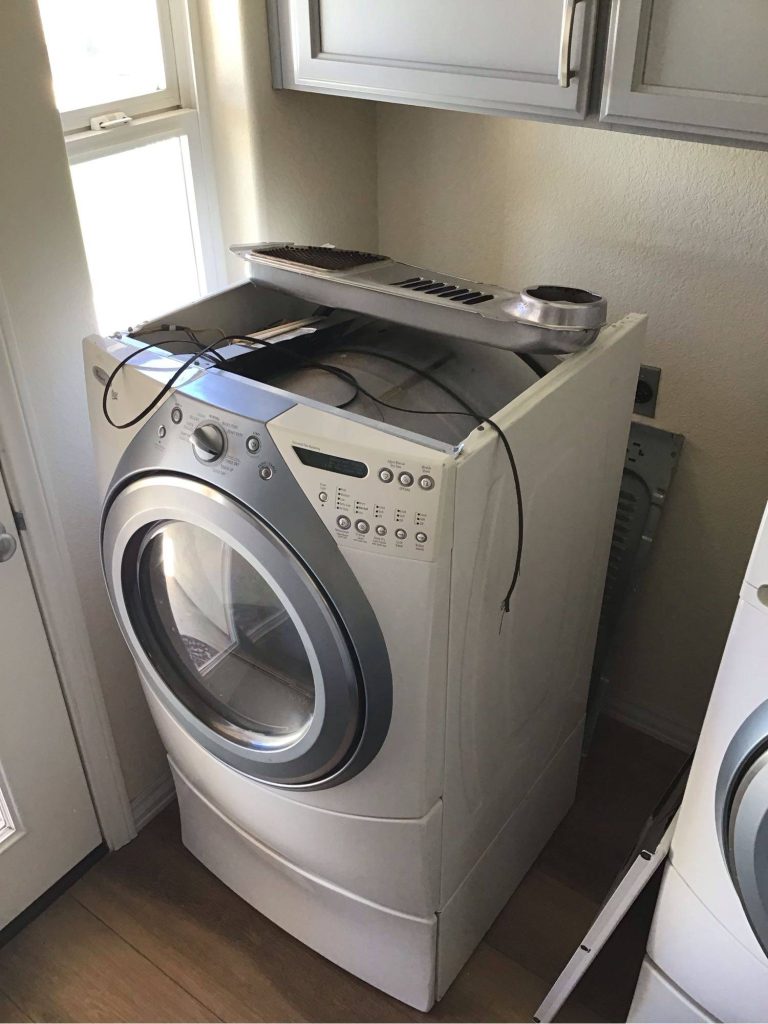
The drum bearing supports the rear portion of the dryer drum and allows it to rotate smoothly during a cycle. With regular use, the bearing can wear down because of friction and continuous movement.
When the bearing begins to fail, you may notice a deep grinding or rumbling sound whenever the drum rotates. The noise may become louder as the dryer heats up or as the drum reaches higher speeds.
A worn bearing can also cause the drum to rotate less smoothly. In some cases, the dryer may develop additional vibration or the drum may feel slightly loose when checked manually.
Ignoring a damaged bearing can place additional stress on the drive motor and other rotating components. A technician can inspect the bearing and determine whether replacement is necessary.
Damaged or Obstructed Blower Wheel
The blower wheel is another possible source of grinding or rattling. Its job is to move heated air through the drum and exhaust system. Because the wheel rotates continuously during drying, it can become damaged or accumulate debris.
A small object such as a coin, button, piece of plastic, or another foreign item can become lodged near the blower wheel. If the wheel contacts the object while spinning, it can produce a repetitive rattling, scraping, or grinding sound.
The blower wheel itself can also crack or become loose on its shaft. A damaged wheel may wobble during operation and create unusual vibrations or noise.
In addition to the sound, airflow may become weaker if the blower wheel cannot rotate correctly. Clothes can take longer to dry, and the dryer may become hotter than normal.
Dryer Drum Rollers
Drum rollers support the front or rear sections of the drum and help it rotate smoothly. Over time, rollers can develop flat spots, wear unevenly, or become contaminated with lint and debris.
A damaged roller often produces a repetitive thumping, squealing, or grinding sound. The noise may correspond directly with the rotation of the drum, becoming noticeable once every revolution.
If the roller is significantly worn, the drum may also wobble slightly. Replacing a defective roller can restore smooth operation and prevent unnecessary strain on other components.
Idler Pulley Problems
The idler pulley maintains tension on the dryer’s drive belt. It rotates whenever the dryer operates, so a worn pulley bearing can create a high-pitched squeal, chirping, or grinding noise.
If the pulley becomes damaged or seized, the drive belt may experience excessive friction. This can eventually cause the belt to wear prematurely or break.
A technician should inspect the pulley, belt, and surrounding components together because problems in one part of the drive system can affect the others.
Drive Motor Issues
The drive motor is responsible for turning the drum through the belt and pulley system. A failing motor can produce grinding, humming, buzzing, or unusual mechanical noises.
Motor problems may become more noticeable when the dryer starts, stops, or operates under a heavy load. If the motor is struggling to turn the drum, the dryer may also take longer to start or shut down unexpectedly.
Because motor diagnosis involves electrical and mechanical components, professional inspection is recommended rather than continuing to operate a dryer that produces severe noise.
Check for Simple Obstructions
Before assuming that a major component has failed, check whether something inside the drum is causing the noise. Items left in pockets can become trapped between the drum and housing or enter areas near the blower wheel.
Turn the dryer off and disconnect its power before attempting any inspection. Do not reach into internal areas while the appliance is connected to electricity.
If the noise continues after removing obvious objects from the drum, the problem may require disassembly and inspection of the internal components.
Why Prompt Repair Matters
A grinding noise usually means that something is experiencing abnormal friction or movement. If the dryer continues operating, the damaged component can affect the belt, motor, drum, or other parts.
There is also a practical reason to address the issue quickly: a dryer that is operating with restricted airflow or a damaged mechanical component may not dry clothes efficiently. Longer drying cycles can increase energy consumption and place additional stress on the appliance.
A professional technician can locate the source of the noise, inspect the drum support system, blower assembly, drive components, and motor, and recommend the appropriate repair.
Call Appliance Repair Service Center
If your LG dryer makes a grinding noise, avoid ignoring the sound or repeatedly running the appliance to see whether it disappears. A worn drum bearing, damaged blower wheel, defective roller, idler pulley, or motor problem can worsen with continued use.
Appliance Repair Service Center can diagnose the source of the noise and provide the repair needed to restore proper dryer operation. Contact Appliance Repair Service Center to schedule professional LG dryer service and get the problem checked before additional components are damaged.