
GE Dishwasher Makes a Buzzing Noise but Won’t Start — Possible Circulation Motor or Control Board Failure
A GE dishwasher that makes a buzzing noise when you press Start but does not begin the wash cycle is often experiencing a problem with one of its key electrical or mechanical components. The sound may indicate that the dishwasher is receiving power and attempting to activate a component, but something is preventing the cycle from progressing.
A buzzing noise can come from several sources, including the circulation motor, drain pump, water inlet valve, or control system. Identifying the source of the noise is important because continuing to operate the dishwasher when a motor is struggling or an electrical component is failing can lead to additional damage.
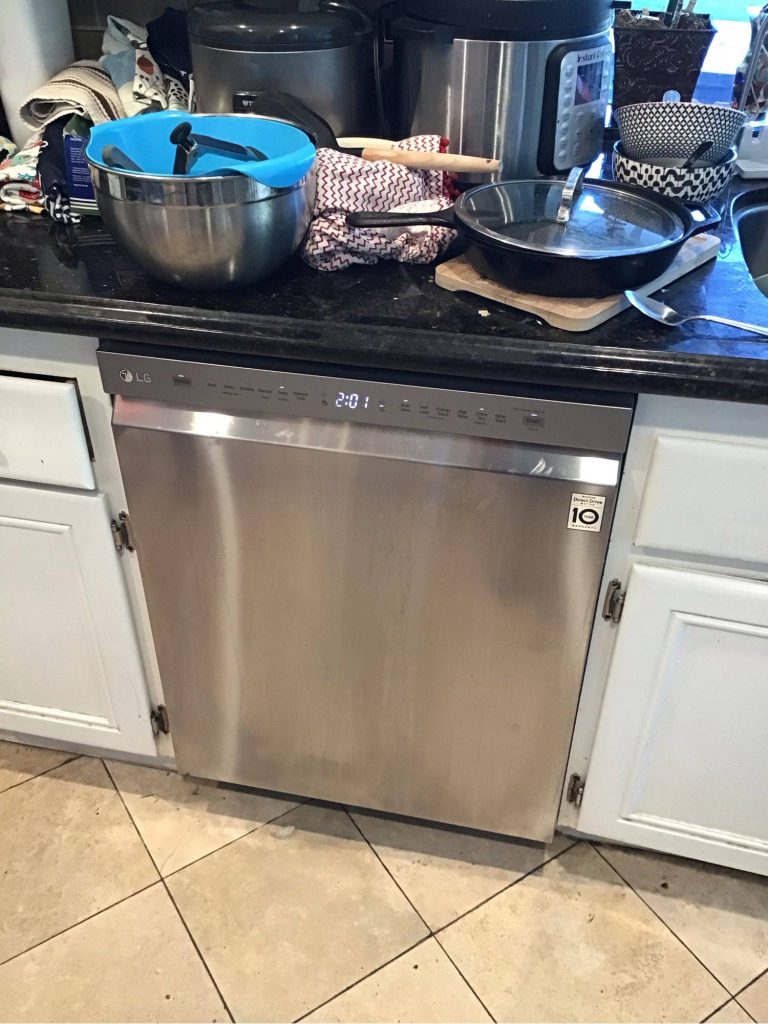
What the Buzzing Noise Can Tell You
The location and timing of the buzzing sound can provide useful clues. If the dishwasher buzzes immediately after Start is pressed and then remains inactive, the control board may be sending power to a component that cannot operate correctly.
If the noise appears after the dishwasher has filled with water, the circulation motor becomes a stronger possibility. This motor is responsible for pushing water through the spray arms during the wash cycle. When it is seized, worn, obstructed, or electrically damaged, the dishwasher may hum or buzz without producing normal water circulation.
A buzzing sound followed by silence can also indicate that a motor is attempting to start but cannot reach operating speed.
Possible Circulation Motor Failure
The circulation motor is one of the most important components in a dishwasher. It moves water through the spray system, allowing detergent and hot water to reach the dishes.
A failing motor can produce a humming or buzzing sound while the spray arms remain stationary. In some cases, the dishwasher may fill normally but fail to continue into the actual washing stage.
Mechanical wear, damaged bearings, debris, or an electrical fault inside the motor can prevent it from starting. If the motor has become difficult to turn, the dishwasher may draw power without producing the expected washing action.
A technician can test the motor and related wiring to determine whether the component is receiving the correct voltage and whether the motor itself is functioning properly.
Could a Blockage Be Causing the Problem?
Not every buzzing dishwasher requires a new motor. Food particles, broken glass, or other debris can sometimes interfere with components around the pump and motor assembly.
The filter and sump area should be checked for visible debris. However, reaching internal pump or motor components may require disassembly. Attempting to remove parts without knowing their function can cause leaks or damage seals, wiring, or other components.
If the dishwasher is making an unusual noise and will not start, professional diagnosis can help determine whether the issue is a simple obstruction or an electrical or mechanical failure.
Control Board Problems
The electronic control board manages the dishwasher’s operating sequence. It determines when the appliance should fill, wash, drain, heat, and complete the cycle.
If the control board has a damaged relay, failed electronic component, or another internal fault, it may send an incorrect signal to the circulation motor or fail to activate the necessary components at all.
A faulty control board can produce symptoms that resemble a motor problem. For example, the dishwasher may appear to start, make a buzzing sound, and then stop because the expected sequence is interrupted.
Replacing the control board without testing the rest of the system can be expensive and may not solve the underlying problem. Proper diagnosis should include checking the motor, wiring, connections, switches, and power supply before the control board is replaced.
Other Components Worth Checking
Several other problems can cause a GE dishwasher to buzz without starting normally.
The drain pump may be obstructed or failing. If the dishwasher cannot complete its initial drain operation, the control system may prevent the next stage of the cycle from beginning.
The water inlet valve can also cause unusual sounds if it is receiving power but is unable to open correctly. If the dishwasher does not receive the required amount of water, the wash cycle may not proceed.
A door latch problem is another possibility. The dishwasher needs confirmation that the door is securely closed before it can operate. A worn latch or defective door switch can interrupt the start sequence.
Power-related issues should also be considered. A loose connection, damaged wiring, or electrical problem can cause intermittent operation or prevent the dishwasher from starting correctly.
When Professional Diagnosis Is Recommended
If your GE dishwasher buzzes but will not start, avoid repeatedly pressing Start and allowing the appliance to attempt the cycle. Repeated attempts can place additional stress on a struggling motor or electrical component.
A professional technician can inspect the dishwasher systematically. The diagnosis may include checking incoming power, the door latch, water supply, pump and motor assemblies, wiring connections, and control board operation.
The exact repair depends on what testing reveals. In some cases, cleaning a blockage or correcting a connection may resolve the problem. In other situations, a failed circulation motor, pump, or control board may need replacement.
Getting the cause identified before purchasing parts can save time and prevent unnecessary repairs.
A GE dishwasher that buzzes but refuses to start should not be ignored. The sound can indicate that the appliance is attempting to operate while a motor, pump, control board, or another component is preventing the cycle from progressing.
For professional dishwasher troubleshooting and repair, contact ACE Appliance Repair.
Call (858) 412-3000 to schedule appliance repair service and have your GE dishwasher properly diagnosed.