
Miele Dishwasher Door Won’t Latch — Possible Door Lock or Latch Assembly Failure
A Miele dishwasher is designed to operate only when its door closes securely and the locking mechanism confirms that the appliance is ready to run. If the door refuses to latch, pops open shortly after closing, or requires excessive force to stay shut, the dishwasher may be unable to start a wash cycle. Although the problem can sometimes result from a simple obstruction or alignment issue, a damaged door latch assembly or faulty door lock may require professional repair.
Understanding the possible causes helps homeowners avoid unnecessary part replacements and determine when to contact an appliance repair technician.
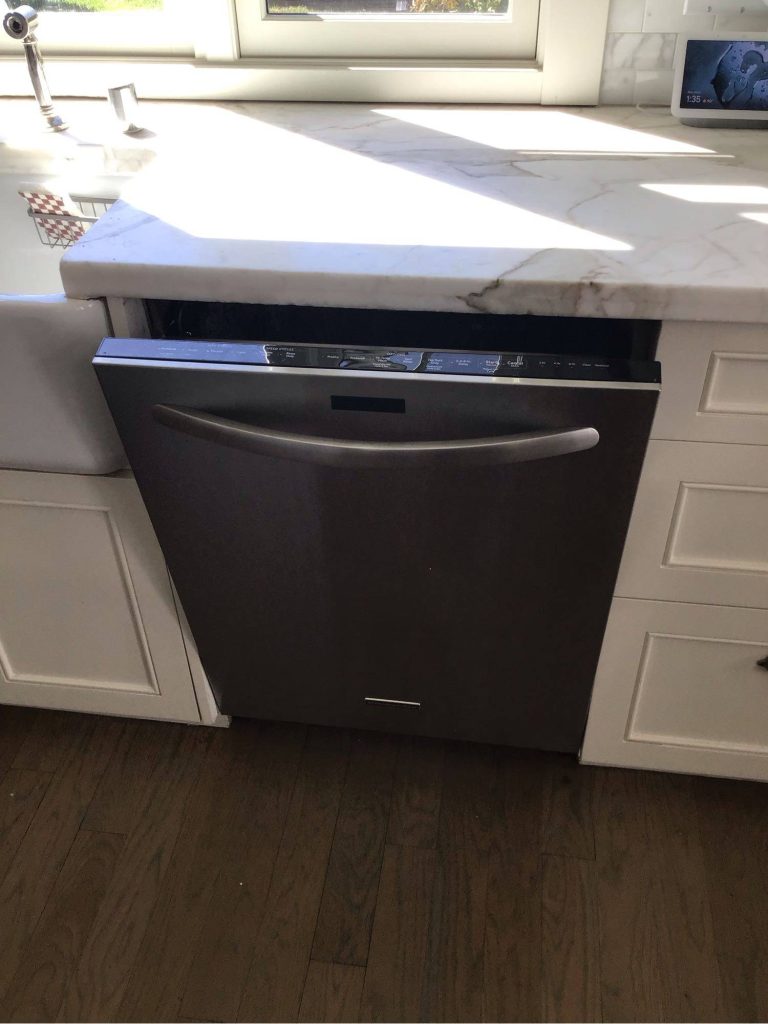
Common Signs of a Miele Dishwasher Door Latch Problem
Door latch problems can appear in several ways. You may hear the door click without it staying closed, notice that the control panel does not respond after closing the door, or find that the dishwasher stops before the wash cycle begins.
In some cases, the door appears to close normally but does not engage the locking mechanism. Other times, the door must be pushed firmly before the appliance recognizes that it is shut. These symptoms can indicate a worn latch, a damaged strike, a misaligned door, or an electrical issue involving the door lock switch.
If the dishwasher repeatedly fails to start despite appearing properly closed, avoid forcing the door. Excessive pressure can damage the latch housing, mounting points, or surrounding components, making the repair more complicated.
Possible Cause 1: Worn or Damaged Door Latch Assembly
The door latch assembly secures the dishwasher door and helps maintain a reliable closed position throughout the wash cycle. Repeated opening and closing gradually exposes its mechanical components to wear. Plastic parts may crack, internal springs can weaken, and moving components may become stuck. When this happens, the latch might no longer engage with the door strike correctly.
A worn latch can produce inconsistent symptoms. The door may close successfully one time and fail to lock the next. You might also notice that the usual clicking sound is missing or that the door feels unusually loose.
A technician can inspect the latch mechanism, check its mounting points, and determine whether replacement is necessary. Installing the correct part is essential because latch assemblies can vary by Miele dishwasher model.
Possible Cause 2: Faulty Door Lock Switch
The mechanical latch and the electrical door lock switch perform related but different functions. While the latch holds the door closed, the switch communicates the door’s status to the dishwasher’s control system.
If the switch fails, the dishwasher may behave as though the door is open even when it is securely latched. The appliance might refuse to start, display an error, or interrupt a cycle because it cannot verify that the door is closed.
Electrical faults can develop because of worn contacts, damaged wiring, or deterioration within the switch assembly. Diagnosing this problem may require electrical testing with the appliance disconnected from power.
Replacing the entire latch without checking the switch can lead to unnecessary expenses. Professional diagnosis helps identify whether the mechanical assembly, electrical switch, wiring, or another component is responsible.
Possible Cause 3: Misaligned Door or Damaged Door Strike
The door strike is the component that engages with the latch when the door closes. If either part becomes misaligned, the mechanism may not connect properly.
Misalignment can occur after an impact, improper installation, movement of the dishwasher within its cabinet, or damage to the door hinges. A bent strike or loose mounting hardware can also prevent secure engagement.
Check whether the dishwasher door appears level and whether it meets the cabinet opening evenly. Look for visible obstructions around the door edges, but do not attempt to bend metal components or adjust internal mechanisms without the appropriate instructions.
A technician can assess the hinges, strike, latch position, and appliance installation to determine whether adjustment or replacement is needed.
Possible Cause 4: Obstructions Inside the Dishwasher
Sometimes the latch itself is working correctly, but an item inside the dishwasher prevents the door from closing completely.
A protruding plate, an incorrectly positioned utensil, or an overloaded rack can interfere with the door. A displaced rack may also prevent proper closure.
Open the dishwasher and inspect the racks, dishes, and utensil baskets. Make sure nothing extends beyond the rack boundaries or catches against the door. Remove any obstruction and try closing the door gently.
If the door still refuses to latch when the dishwasher is empty, the problem is more likely related to the latch, strike, hinges, or locking mechanism.
Possible Cause 5: Door Seal or Hinge Problems
A damaged or displaced door seal can interfere with closure, particularly if part of the gasket has folded outward or become detached from its proper position. Although the seal is intended to prevent leaks, its condition can affect how the door sits against the appliance.
Hinge problems can produce similar symptoms. Worn hinges, damaged springs, or uneven door movement may prevent the latch from aligning with the strike.
Inspect the visible seal for tears, debris, or sections that have come loose. If the door drops, feels unusually heavy, or moves unevenly, stop forcing it closed. Hinge and spring repairs can involve components under tension and are best handled by a qualified technician.
Can You Fix a Miele Dishwasher Door That Won’t Latch Yourself?
There are several safe checks you can perform before arranging service. Remove dishes that obstruct the door, reposition the racks, and inspect the visible gasket for displacement. You can also check the owner’s manual for model-specific instructions concerning door closure.
Do not bypass the door lock, operate the dishwasher with an unsecured door, or attempt electrical testing while the appliance is connected to power. A faulty latch can create a safety risk if the door opens during operation.
If the door remains unsecured, disconnect power to the dishwasher when safe to do so and arrange a professional inspection. Avoid dismantling the door panel unless you have the appropriate technical knowledge and tools.
Why Professional Diagnosis Matters
Several different components can cause the same symptom, so replacing parts based on appearance alone can waste time and money. A qualified appliance repair technician can inspect the latch assembly, test the door switch, evaluate the strike and hinges, and check relevant wiring.
Accurate diagnosis also helps identify secondary damage before it affects other parts of the appliance. If the latch has broken because the door is misaligned, replacing the latch alone may not resolve the problem.
Miele dishwashers contain model-specific components, making correct part identification important for dependable operation. Professional service helps ensure that the replacement part is compatible and installed correctly.
Schedule Miele Dishwasher Repair With ACE Appliance Repair
A Miele dishwasher door that will not latch can prevent you from running essential wash cycles and may indicate a mechanical or electrical fault. Addressing the issue early can help prevent additional damage to the door mechanism.
ACE Appliance Repair can help diagnose dishwasher door latch problems and determine the appropriate repair. Whether the issue involves a worn latch assembly, a faulty door lock switch, damaged hinges, or misalignment, professional troubleshooting can help restore reliable operation.
Call ACE Appliance Repair at (858) 412-3000 to schedule dishwasher repair service. Describe what happens when you close the door, including whether you hear a click or see an error message, so the technician can better understand the problem before the appointment.