
Whirlpool Washing Machine Repeatedly Adds Water During the Cycle — Possible Pressure Sensor or Inlet Valve Failure
A Whirlpool washing machine that repeatedly adds water during a wash cycle may be experiencing a problem with its water level detection system or water inlet valve. You might notice the washer filling several times, pausing unexpectedly, taking longer than usual to finish, or adding water even when the drum already contains enough. In some cases, the machine may appear to complete the wash normally, while in others, the repeated filling can disrupt the entire cycle.
Although some Whirlpool models automatically add small amounts of water to maintain washing performance, continuous or unnecessary refilling deserves attention. Identifying the cause early can help prevent water waste, reduce the risk of leaks, and protect other components from additional wear.
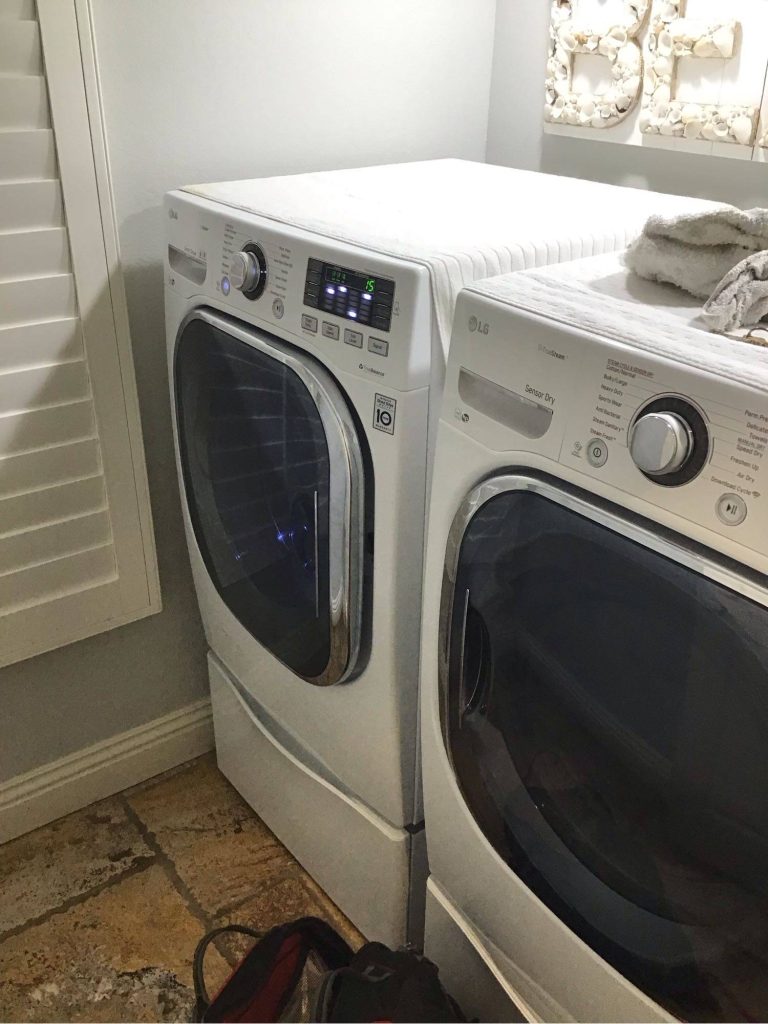
Why Does a Whirlpool Washer Keep Adding Water?
Your washing machine uses several components to regulate the amount of water entering the drum. The control board receives information about the current cycle and water level, while the pressure sensor and inlet valve help the appliance maintain the appropriate amount of water. If one of these components malfunctions, the washer may fill more often than necessary.
The most common causes include a faulty water level pressure sensor, a defective inlet valve, a blocked pressure hose, or an electronic control problem.
Faulty Water Level Pressure Sensor
The pressure sensor monitors the water level inside the washing machine. Depending on the model, it measures pressure changes through a small hose connected to the tub and sends a signal to the control system.
When this sensor operates correctly, the washer knows when to stop filling and move to the next stage of the cycle. If the sensor provides inaccurate readings, the control board may interpret the water level as too low and activate the inlet valve again.
A malfunctioning pressure sensor may cause repeated filling, unusually long wash cycles, or inconsistent water levels.