GE Gas Range Burner Produces a Weak Flame — Possible Clogged Burner Ports or Gas Regulator Problems
A GE gas range is designed to provide a steady, consistent flame that heats cookware efficiently. When a burner produces a weak flame, takes longer than usual to heat food, or burns unevenly, something may be interfering with the gas supply or the burner assembly. Although the problem can sometimes result from food residue or grease buildup, it may also indicate a gas regulator issue or another component malfunction.
Understanding the possible causes can help you recognize when basic cleaning may be sufficient and when professional appliance repair is necessary.
Common Signs of a Weak Gas Range Flame
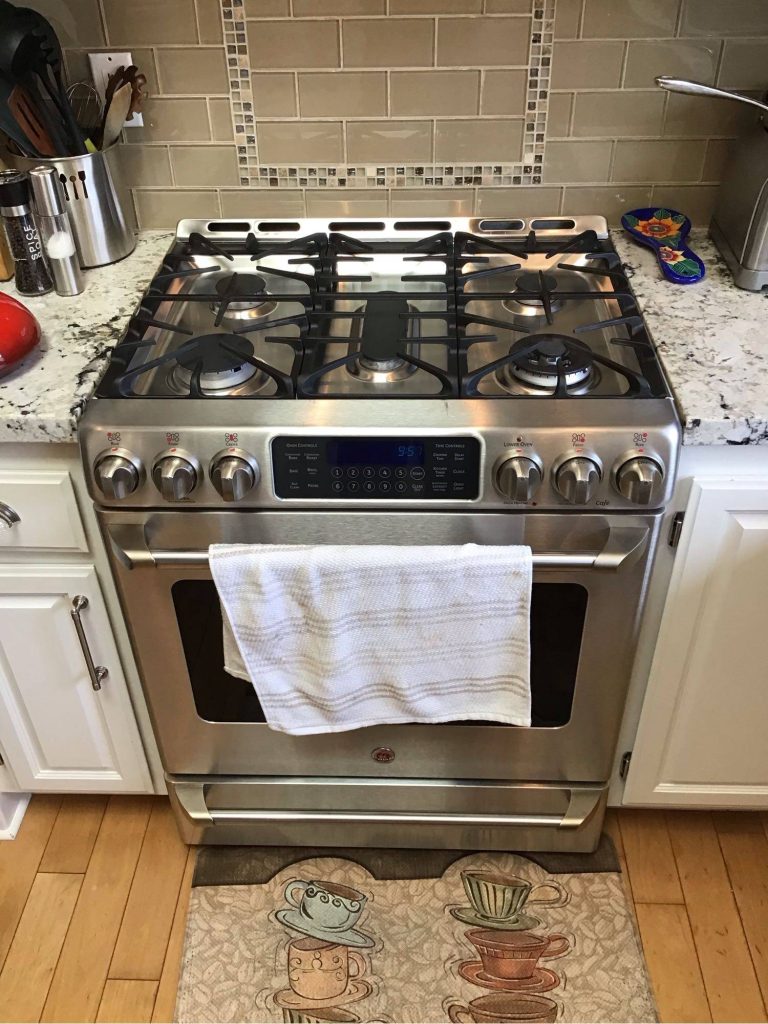
A properly functioning gas burner should produce a stable flame appropriate for its selected heat setting. If you notice that the flame remains unusually small even when the control knob is turned to high, the burner may not be receiving or distributing gas correctly.
Other symptoms can include uneven flames around the burner head, difficulty bringing water to a boil, longer cooking times, and noticeable differences in performance between burners.
You may also notice that one burner works normally while another produces only a small flame. This distinction can help a technician determine whether the issue is isolated to an individual burner or affects the entire appliance.
A weak flame should not be ignored, especially if it develops suddenly or is accompanied by unusual odors, popping sounds, or changes in flame color.
Clogged Burner Ports Can Restrict Gas Flow
One of the most common reasons for a weak or uneven flame is a partially blocked burner head. Burner ports are small openings through which the gas-air mixture exits and ignites. During everyday cooking, food particles, grease, spilled sauces, and cleaning-product residue can accumulate around these openings.
When some ports become obstructed, the flame may appear uneven, with certain sections burning strongly while others remain weak or fail to ignite. Heavy buildup can also interfere with proper ignition and cause the burner to heat cookware inefficiently.
If the problem is limited to one burner, contamination around its burner head is a reasonable possibility.
Once the range has been switched off and the burner is completely cool, you can consult the owner’s manual for instructions on removing and cleaning accessible burner components. Use only approved cleaning methods and ensure that removable parts are correctly positioned and completely dry before using the appliance again.
Avoid inserting needles, wires, or other sharp objects into burner openings, as these can damage the ports. Never attempt to disassemble gas-carrying components or adjust the gas supply yourself.
If cleaning does not restore normal flame performance, the burner assembly may require further inspection or replacement.
Gas Regulator Problems May Affect Multiple Burners
The gas regulator controls the pressure of gas supplied to the range. If the regulator malfunctions or the supply pressure is outside the appliance’s specifications, burners may receive insufficient gas and produce weak flames.
A regulator-related issue becomes more plausible when several burners develop similar symptoms at approximately the same time. However, this pattern does not confirm a regulator failure. Problems with the household gas supply, a shutoff valve, or another supply-side component can produce similar results.
The appropriate diagnostic process depends on whether the range uses natural gas or propane, how the appliance is connected, and whether other gas appliances are affected.
A qualified technician can inspect the relevant components and measure gas pressure using suitable equipment. If a regulator or supply component is defective, it must be repaired or replaced according to the manufacturer’s specifications and applicable safety requirements.
Do not attempt to increase gas pressure or modify the regulator to make the flames larger. Incorrect pressure can create dangerous operating conditions and damage the appliance.
Other Possible Causes of a Weak Flame
Although clogged ports and regulator problems are common possibilities, other faults may produce similar symptoms.
Incorrectly positioned burner components: After cleaning, a burner cap that is not seated properly can cause an uneven flame or ignition difficulties. Allow the components to cool, then check their positioning according to the owner’s manual.
Gas supply restrictions: A partially closed shutoff valve, a supply-line problem, or an issue with the building’s gas supply may limit the amount of gas reaching the range. These conditions require appropriate inspection rather than adjustments to the burner.
Incorrect fuel configuration: A range configured for one fuel type may not operate correctly if connected to another without the conversion specified by the manufacturer. Conversion must be performed by a qualified professional using approved parts and procedures.
Damaged burner components: Corrosion, physical damage, or deterioration can affect how gas exits the burner. Depending on the condition of the assembly, cleaning may not be enough to restore normal operation.
Accurate diagnosis matters because several different faults can create nearly identical symptoms. Replacing parts without identifying the underlying cause can increase repair costs without solving the problem.
When Should You Call an Appliance Repair Technician?
If your GE gas range continues to produce weak flames after you have checked the positioning of accessible burner components, professional inspection is the safest next step. A technician can assess the burner assembly, gas pressure, regulator, and other relevant components to identify the source of the problem.
You should also arrange service if multiple burners are affected, the flame repeatedly changes during operation, or the range takes significantly longer than usual to cook food.
If you smell gas, do not attempt to light the burner or operate electrical switches. Leave the area, avoid using flames, and contact your gas utility or emergency services from a safe location according to local procedures.
Prompt attention can help prevent a minor performance issue from developing into a more serious appliance problem.
Restore Your GE Gas Range’s Performance with ACE Appliance Repair
A weak burner flame can make everyday cooking frustrating and may indicate a problem that requires professional attention. Whether the cause is a clogged burner assembly, a gas regulator malfunction, or a restriction in the gas supply, identifying the fault is essential for restoring safe and reliable operation.
ACE Appliance Repair can help diagnose and repair gas range problems so you can get back to cooking with confidence. Rather than guessing which component has failed, arrange a professional inspection and receive guidance on the appropriate repair.
Contact ACE Appliance Repair today at (858) 412-3000 to schedule gas range repair service.